

Best Concrete Mix for Footings (Strength Guide)

When it comes to building foundations, choosing the right concrete mix is one of the most important decisions in the entire construction process.

Footings are responsible for supporting the weight of the structure above, transferring loads safely into the ground, and helping prevent movement over time. If the concrete used for footings isn’t strong enough or suited to the conditions, it can lead to serious structural issues later on.

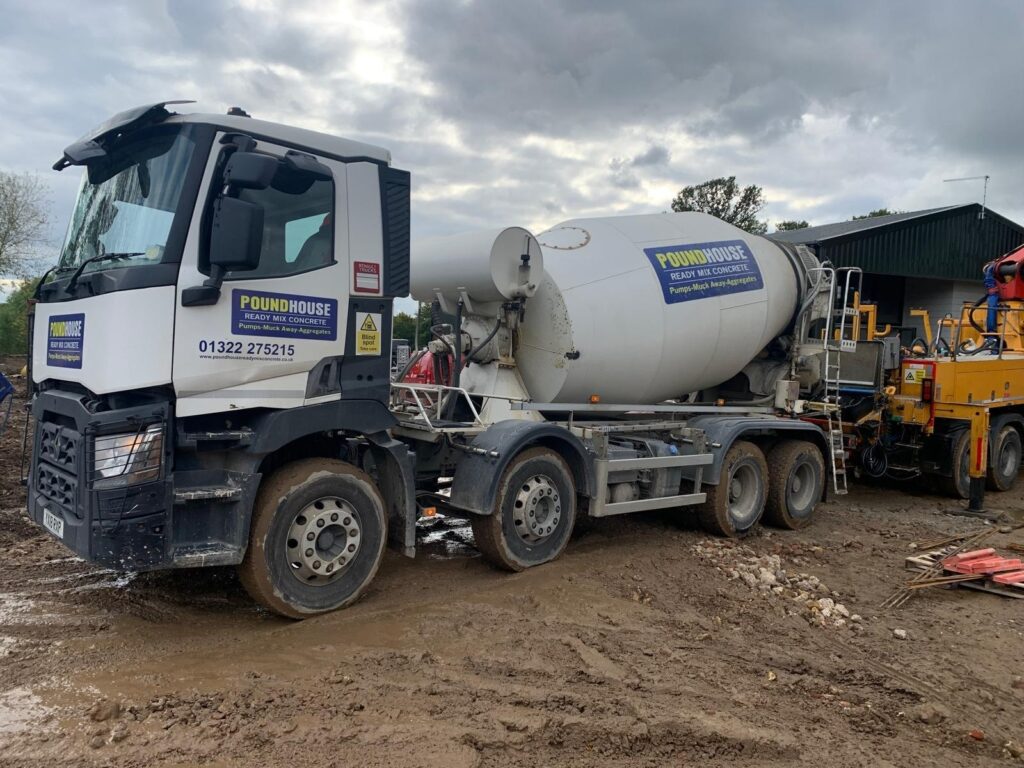
At Pound House Ready Mix Concrete, we regularly supply concrete for footings across domestic and commercial projects throughout Kent. One of the most common questions we hear is: “What’s the best concrete mix for footings?”

The answer depends on the type of project, the ground conditions, and the load requirements.

What Are Concrete Footings?

Concrete footings form the base of a structure’s foundation. They spread the weight of the building evenly into the soil and provide stability for walls, columns, and other structural elements.

Footings are commonly used for:

Without properly constructed footings, structures can suffer from settlement, cracking, or movement.

Why the Concrete Mix Matters

Not all concrete is the same.

The mix used for footings needs to provide:

Using the wrong mix can weaken the entire foundation system.

What Is the Best Concrete Mix for Footings?

For most domestic footing applications in the UK, a C25 concrete mix is commonly recommended.

C25 Concrete:

For heavier-duty or commercial applications, stronger mixes such as C30 or C35 may be required.

Understanding Concrete Strength Grades

Concrete grades indicate compressive strength after 28 days of curing.

Common footing concrete grades:

Concrete Grade Typical Use
C20 Light domestic applications
C25 Standard residential footings
C30 Heavy-duty domestic and commercial use
C35+ High-load structural applications
The higher the grade, the stronger the concrete.

Typical Concrete Mix Ratio for Footings

Traditional site-mixed concrete often uses a ratio such as:
However, achieving consistent strength on-site can be difficult without precise measurement and mixing.
That’s why many builders and homeowners now prefer ready mix concrete for footings.

Why Ready Mix Concrete Is Often the Better Option

For footing work, ready mix concrete offers several advantages:

Consistent Strength

Every batch is produced to the correct specification.

Saves Time

No on-site mixing required.

Reduces Waste

Only the required amount is delivered.

Better Quality Control

More reliable than manual mixing.

Faster Installation

Especially useful for larger pours or trench foundations.
At Pound House Ready Mix Concrete, we supply footing concrete mixed to the correct strength requirements for your specific project.

Factors That Affect Footing Concrete Choice

The ideal concrete mix depends on several factors.

Ground Conditions

Clay, soft ground, or unstable soil may require stronger concrete.

Load Requirements

Heavier structures need higher-strength mixes.

Weather Conditions

Cold or wet conditions may affect curing and mix selection.

Building Regulations

Local requirements or structural engineer specifications should always be followed.

How Deep Should Concrete Footings Be?

Footing depth depends on:
In many UK domestic projects
However, this varies depending on the project.

Common Mistakes to Avoid

Some of the most common footing problems include:
From experience, many structural issues start below ground level long before the building itself is completed.

How Long Do Footings Take to Cure?

Concrete footings generally:
Proper curing is essential for maximum strength.

Final Thoughts

Footings are one of the most important parts of any structure, and choosing the correct concrete mix plays a major role in the long-term stability of the build.
For most residential projects, C25 concrete is a reliable and widely used choice, while larger or heavier structures may require stronger grades.
At Pound House Ready Mix Concrete, we supply high-quality ready mix concrete for footings, foundations, slabs, and construction projects across Kent, helping ensure every project starts on solid ground.

FAQs – Concrete Mix for Footings

What is the best concrete grade for footings?

C25 concrete is commonly used for residential footings in the UK.

Can I use C20 concrete for foundations?

C20 may be suitable for lighter domestic applications, but many structural footings require C25 or stronger.

How thick should concrete footings be?

Thickness depends on the structure and soil conditions, but most domestic footings are significantly deeper than standard slabs.

Is ready mix concrete better for footings?

Yes, ready mix concrete provides more consistent strength and quality control compared to hand mixing.

How long should footings cure before building?

In many cases, building work can begin after several days, but full curing takes around 28 days.